
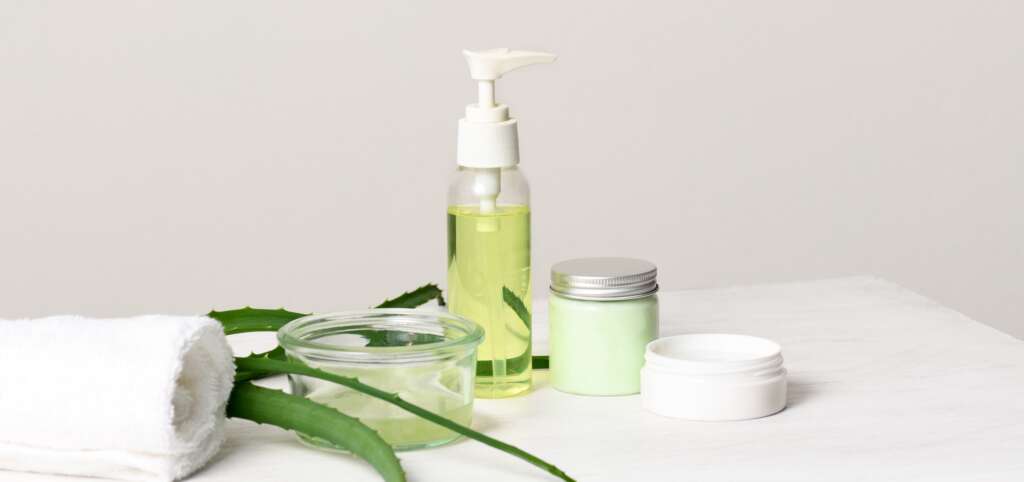
Skin care cosmetology is a field of science that combines knowledge of skin structure with practical care techniques. Effective skin care requires an understanding of skin types, the functions of the hydrolipid barrier, and tailoring routines to individual skin needs. The basic steps include cleansing, moisturizing, and sun protection.
Disclaimer: The information contained in this article is for educational purposes only and does not replace consultations with a dermatologist or cosmetologist. Every organism is different – results may vary. In case of skin problems, allergic reactions, or doubts regarding care, consult a specialist. Pregnant and breastfeeding women should consult their choice of cosmetics with a doctor.
📋 Table of contents
- 1. What is cosmetology and why is knowledge about it crucial?
- 2. Skin structure – basics you need to know
- 3. Practical test – check your skin type
- 4. Differences between facial skin and body skin
- 5. Skin types – how to recognize your skin type?
- 6. Specific care routines for each skin type
- 7. Basic skin care routine step by step
- 8. Common mistakes in skin care
- 9. Common problems and possible cosmetological support
- 10. How to choose cosmetics for your skin?
- 11. When to see a cosmetologist?
- 12. FAQ – Frequently asked questions about skin care
- 13. Summary – the key to healthy skin
1. What is cosmetology and why is knowledge about it crucial?
Cosmetology is the science that deals with the care and improvement of skin appearance using non-invasive methods. Unlike dermatology, which focuses on treating skin diseases, cosmetology emphasizes prevention and maintaining a healthy skin appearance.
Knowledge of the basics of cosmetology allows for:
- Conscious selection of cosmetic products tailored to skin needs.
- Understanding the action of active ingredients in cosmetics
- Avoiding skincare mistakes that can lead to irritation
- Recognizing situations that require consultation with a specialist
Contemporary cosmetology is based on scientific foundations of dermatology, biochemistry, and pharmacology, allowing for effective and safe practices.
2. Structure of the skin – basics you need to know
To effectively care for the skin, it is essential to understand its structure and functions. The skin is the largest organ of the human body, serving key protective and regulatory functions. Detailed information about the structure of the skin can be found in our dedicated guide.
2.1. Layers of the skin and their functions
Epidermis
The epidermis is the outer layer of the skin that directly contacts the environment. It consists of several layers of cells, the most important of which is the stratum corneum. This layer serves as the first line of defense against external factors.
The epidermis renews itself in a cycle of about 28 days in young individuals, although this process slows down with age. This layer also produces melanin – the pigment responsible for skin color and protection against UV radiation.
Dermis
The dermis is a thick layer located beneath the epidermis, containing collagen, elastin, and hyaluronic acid. This layer includes:
- Blood vessels responsible for nourishing the skin
- Sebaceous glands producing sebum
- Sweat glands regulating body temperature
- Nerve endings responsible for touch
Hypodermis
The deepest layer of the skin, primarily composed of adipose tissue, serves thermoregulatory functions and acts as an energy reservoir for the body.
2.2. The hydrolipid barrier of the epidermis – what is it and why is it so important?
In many texts, the concepts of 'hydrolipid barrier’ (a protective film on the skin’s surface, which is a mixture of sebum, sweat, and cellular debris) are mixed up with 'epidermal barrier’ (a broader, multilayered protective system that includes both the hydrolipid mantle and lipid cement, NMF, or microbiome). This invisible protective barrier performs key functions:
Functions of the protective barrier:
- Protection against water loss from the body
- Prevention of harmful substances penetrating into the skin
- Maintaining the appropriate pH of the skin (around 5.5)
- Creating an environment conducive to beneficial skin microflora
Causes of barrier weakening:
- Excessive cleansing with aggressive agents
- Effects of atmospheric factors (wind, frost, sun)
- Stress and inadequate diet
- Skin diseases or the use of certain medications
- Peeling of the epidermis caused by dryness
How to strengthen the hydrolipid barrier:
- Using gentle facial and body cleansing agents
- Regular use of cosmetic products containing moisturizing ingredients like ceramides
- Avoiding excessive exfoliation, which can lead to peeling of the epidermis
- Using creams with rebuilding substances such as urea or hyaluronic acid
- Caring for the body skin by applying a moisturizing body lotion
- Using sunscreen or other products with SPF protection
2.3. Skin cell renewal process
The skin undergoes a continuous renewal process, during which old cells are replaced by new ones. This natural process can be supported by proper care, including gentle exfoliation and the use of ingredients that stimulate regeneration.
With age, aging processes slow down cell renewal, which is why mature skin requires more intensive care and often active ingredients that stimulate regeneration.
Factors affecting skin condition:
- Physical activity – regular exercise improves circulation and oxygenation of the skin
- Diet – proper nutrition provides the necessary ingredients for regeneration
- Stress – can negatively affect the skin’s protective barrier
- Sleep – the most intense regenerative processes occur during sleep
3. Practical test – check your skin type
Before starting proper care, it is crucial to determine your skin type. Here is a simple test to help you do that:
STEP 1: Preparation
- Wash your face with a gentle cleansing gel
- Do not apply any creams or serums
- Wait for 1 hour
STEP 2: Observation (after 1 hour)
- The entire face feels tight and rough → DRY SKIN
- The T-zone (forehead, nose, chin) is shiny, cheeks are normal → MIXED SKIN
- The entire face shines, visible pores → OILY SKIN
- No unpleasant sensations, skin is smooth → NORMAL SKIN
- Easy redness, feeling of discomfort → SENSITIVE SKIN
STEP 3: Absorbency Test Press the blotting paper to different areas of the face:
- No traces of oil → dry skin
- Traces only in the T-zone → mixed skin
- Traces on the entire face → oily skin
From my experience as a cosmetologist, this simple test provides 90% accuracy in determining skin type. If the results are ambiguous, consult a specialist.
4. Differences between facial skin and body skin
Facial skin and body skin differ in many ways, requiring care to be tailored to the specific needs of each area.
Characteristics of facial skin:
- Thinner and more delicate structure
- Higher number of sebaceous glands
- More frequent exposure to external factors
- Higher sensitivity to active ingredients
Characteristics of body skin:
- Thicker epidermis
- Fewer sebaceous glands (except for the back and chest)
- Greater tendency to dryness
- Ability to use higher concentration ingredients
By considering these differences in care, we can more effectively maintain the condition of the entire skin.
5. Skin types – how to recognize your skin type?
Determining skin type is the foundation of effective skincare. Each type has specific needs and requires appropriately selected skincare products. It is important to remember that skin type (dry, oily, combination, normal) is a constant feature, while skin condition (e.g., vascular, acne-prone, mature) specifies its characteristics, and the state/condition can change even from day to day. It is precisely to the state of the skin that we tailor our skincare.
5.1. Normal Skin – Characteristics and Care
Normal skin is characterized by:
- Proper sebum secretion
- Smooth texture without visible pores
- Adequate elasticity and hydration
- Lack of tendency to irritation
This is the face of healthy skin – it is smooth, elastic, soft, and has an even tone.
Skincare for normal skin: Requires a basic routine: gentle cleansing, moisturizing, and SPF protection. Such skin responds well to a variety of ingredients and rarely shows allergic reactions. However, even for normal skin, it is worth monitoring its condition, as skin can reflect overall health.
5.2. Dry Skin – Causes and Care Methods
The cause is reduced sebum production – dry skin not only needs hydration and nourishment but also regeneration of the skin barrier.
Dry skin is characterized by a deficiency of sebum and water, leading to:
- A feeling of tightness and roughness
- Peeling skin
- Visible fine lines
- Tendency to irritation
Skincare for dry skin:
- Using creamy cleansing agents
- Applying rich creams with ceramides and moisturizing ingredients
- Avoiding products containing alcohol
- Regular use of hyaluronic acid serum
- For body skin – applying a moisturizing body lotion after every bath
Factors exacerbating dryness include: dry air, extreme temperatures, improper cleansing, excessive exfoliation, thyroid diseases and diabetes, smoking, alcohol, and stress.
5.3. Oily Skin – How to Care for It Effectively?
Oily skin produces excess sebum, resulting in:
- Shiny surface
- Enlarged pores
- Tendency to develop blackheads
- Possibility of acne development
Skin care for oily skin:
- Regular but gentle cleansing
- Using products with salicylic acid or BHA
- Applying lightweight, oil-free creams
- SPF protection in the form of a fluid or gel
The causes of imperfections in oily skin include excessive sebum production, keratinization disorders, hormones, and lifestyle factors (stress, diet).
5.4. Combination skin – challenges and solutions
Combination skin is a mix of different skin types on the face – usually oily in the T-zone (forehead, nose, chin) and normal or dry on the cheeks. It represents the 'third face’ of problematic skin – alongside oily and acne-prone skin.
Care strategy:
- Using different products for different areas of the face
- Gentle cleansing of the entire face
- Spot application of products regulating sebum production
- Moisturizing tailored to the needs of individual zones
5.5. Sensitive skin – gentle care
Sensitive skin reacts excessively to various stimuli, which manifests as:
- Easy occurrence of irritations
- Redness and a burning sensation
- Allergic reactions to cosmetics
- Intolerance to many active ingredients
Principles of caring for sensitive skin:
- Using hypoallergenic and dermatologically tested products
- Limiting the number of ingredients in cosmetics
- Conducting patch tests before introducing new products
- Avoiding irritating ingredients like alcohol or strong fragrances
Often, sensitive skin goes hand in hand with vascular skin, characterized by redness and a tendency to break blood vessels. In such cases, cosmetic minimalism is the best choice.
5.6. Mature skin – needs of skin 30+, 40+, 50+
Skin 30+ – Prevention: First fine expression lines, need for antioxidants (vitamin C), and regular SPF protection. From my experience: A good time to consider anti-wrinkle serums and active ingredients, but only after consulting a specialist.
Skin 40+ – Intensification: More pronounced wrinkles, loss of elasticity. There may be a need for peptides and ingredients supporting cell renewal. From practice: Clients over 40 often notice changes in skin hydration – even those with previously oily skin.
Skin 50+ – Regeneration: Deep wrinkles, loss of contours. It may require intensive care with peptides, regular enzymatic peels in the office under the supervision of a cosmetologist.
Mature skin requires a holistic approach: photoprotection, nourishment, stimulation, and regeneration. This is a pro-aging approach – the skin does not have to reflect the passage of years but can be a testament to self-care.
6. Specific skincare routines for each skin type
Based on 15 years of cosmetic practice, I have prepared proven routines for different skin types.
6.1. Routine for dry skin
MORNING:
- Cleansing: Creamy cleansing milk (avoid gels)
- Toner: Moisturizing with hyaluronic acid (optional)
- Serum: Anti-wrinkle serum with hyaluronic acid + cream with ceramides
- Cream: Rich cream with SPF 30 or separate SPF 30 filters
- Additionally: Oil with added antioxidants for the face applied under the cream as additional barrier support (jojoba, evening primrose, hemp, or rosehip)
EVENING:
- Makeup removal: Cleansing oil or milk
- Cleansing: The same milk as in the morning
- Toner: Moisturizing
- Serum: Regenerating with peptides or vitamin C
- Cream: Nourishing night cream with ceramides
- Additionally: 2x a week – moisturizing mask
6.2. Routine for Oily Skin
MORNING:
- Cleansing: Cleansing gel with salicylic acid
- Toner: With niacinamide (vitamin B3)
- Serum: BHA 2% (salicylic acid) – every other day
- Cream: Lightweight non-oily moisturizing gel
- SPF: Fluid with SPF 30 or SPF 50 filters
EVENING:
- Makeup removal: Micellar or cleansing gel
- Cleansing: Gel with salicylic acid
- Toner: With niacinamide
- Serum: Retinol 2x a week (after consultation) or niacinamide
- Cream: Lightweight night cream with antioxidants and humectants
- Additionally: 1x a week – clay mask or activated charcoal mask
6.3. Routine for Combination Skin
MORNING:
- Cleansing: Gentle cleansing gel
- Toner: Various – moisturizing for the cheeks, regulating for the T-zone
- Serum: Hyaluronic acid + spot niacinamide for the T-zone
- Cream: Light for the T-zone, more nourishing for the cheeks
- SPF: Universal fluid with SPF 30 filters
EVENING:
- Makeup removal: Micellar or milk
- Cleansing: The same gel as in the morning
- Toner: Adjusted for the zone
- Serum: Regenerating + BHA for the T-zone
- Cream: Night cream, tailored to the needs of the zones
6.4. Routine for sensitive skin
MORNING:
- Cleansing: Very gentle milk without SLS
- Toner: Soothing with aloe (optional)
- Serum: Soothing with aloe or panthenol or low concentration niacinamide (2-3%)
- Cream: Hypoallergenic with ceramides, panthenol, betaine, trehalose, antioxidants from green tea, etc.
- SPF: Mineral SPF 30 filters (without chemical filters)
EVENING:
- Makeup removal: Hypoallergenic oil or milk
- Cleansing: The same milk as in the morning
- Toner: Soothing (if the skin tolerates it)
- Serum: Regenerating with allantoin
- Cream: Soothing night cream with ceramides
Quick Start Guide – skincare for beginners
If you are just starting your skincare journey, don’t overwhelm your skin. Here is my proven plan for introducing skincare:
WEEK 1-2: Basics
- Morning: Gentle cleansing + moisturizing cream with SPF
- Evening: Cleansing + night cream
- Goal: Establishing a routine
WEEK 3-4: Adding serum
- Morning: Cleansing + hyaluronic acid serum + SPF cream
- Evening: Cleansing + the same serum + night cream
- Goal: Basic hydration
WEEK 5-8: Expanding the routine
- Add: Toner (if the skin tolerates it)
- Introduce: Hydrating mask once a week
- Goal: Observing how the skin reacts
MONTH 2+: Active ingredients
- Oily skin: Introduce BHA twice a week
- Dry skin: Add facial oil
- Skin 25+: Consider vitamin C in the morning
- Goal: Tailoring to specific needs
Remember: Introduce each new product one at a time and observe the skin’s reaction for a week.
Budget-friendly routines
Not everyone can afford expensive cosmetics. Here are my tried-and-true routines for less than 100zł:
Budget routine for dry skin (~80zł)
- Cleansing milk from the pharmacy – 15zł
- Hyaluronic acid serum – 25zł
- Moisturizing cream – 20zł
- SPF from the pharmacy – 20zł
Budget routine for oily skin (~90zł)
- Cleansing gel from the pharmacy – 25zł
- Toner with niacinamide – 20zł
- Gel cream – 25zł
- SPF fluid – 20zł
7. Basic skincare routine step by step
Effective skincare relies on the systematic application of the appropriate routine. Before diving into detailed routines for each skin type, let’s familiarize ourselves with the universal principles of each step. You can find a complete guide to at-home facial care in our practical article.
7.1. Step 1 – Cleansing the skin
Cleansing is the foundation of any skincare routine. It removes impurities, makeup residue, and excess sebum, preparing the skin for the next stages of care.
Choosing the right cleansing product:
- Dry skin: creamy milks and cleansing oils
- Oily skin: gels and cleansing foams
- Sensitive skin: gentle, alcohol-free products
- Combination skin: products tailored to different areas of the face
Dry/Sensitive skin – responds best to milks, creamy emulsions, or oil-based balms that cleanse without excessively disrupting the hydrolipid barrier. It’s worth choosing formulas enriched with soothing ingredients, such as panthenol or ceramides.
Oily/Combination skin – tolerates gels or light foams with mild detergents well, which help remove excess sebum. Formulas with niacinamide, zinc, or low concentrations of salicylic acid work great, as they additionally regulate the activity of sebaceous glands.
Technique of proper cleansing:
- Moisten your face with lukewarm water
- Apply the cleansing agent with gentle motions
- Massage for 30-60 seconds
- Rinse thoroughly with lukewarm water
- Pat your face dry with a soft towel
Makeup removal and double cleansing: When wearing makeup or UV filters, double cleansing is recommended – first with oil or micellar water, and then with gel or foam.
7.2. Step 2 – Toning (optional)
Toner helps restore the skin’s natural pH after cleansing and can provide additional active ingredients.
Types of toners:
- Moisturizing: with hyaluronic acid and glycerin
- Balancing: with salicylic acid for oily skin
- Soothing: with aloe and panthenol for sensitive skin
7.3. Step 3 – Serum and active ingredients
Serum is a concentrate of active ingredients that penetrate deeper than creams and target specific skin issues.
Basic serums for different skin types:
- Moisturizing: with hyaluronic acid
- Anti-aging: with vitamin C, coenzyme Q10 and other antioxidants, peptides or retinoids (under specialist supervision)
- Balancing: with niacinamide for oily skin
- Soothing: with aloe for sensitive skin
Order of application of active ingredients:
- Products with the thinnest consistency
- From the lowest to the highest pH
- Active ingredients before creams
- SPF always at the end of the morning routine
Important active ingredients in cosmetology:
Based on 15 years of cosmetic practice, here are the ingredients that actually work:
Hyaluronic acid – a powerful moisturizing ingredient that can bind water up to 1000 times its weight. From my experience: Ideal for all skin types, particularly effective in serums. Works best on damp skin.
Ceramides – lipids naturally found in the skin, rebuilding the protective barrier and preventing water loss. Case study: 80% of my clients with dry skin reported improvement after 4 weeks of using creams with ceramides.
Peptides – short chains of amino acids that stimulate collagen production and support skin regeneration. Observation: Best results after 3 months of consistent use. Ideal for skin 35+.
Vitamin C – a strong antioxidant that protects against free radicals and supports collagen production. Practical tip: Use in the morning under SPF. If it causes irritation, start with stable form vitamin C (magnesium ascorbyl phosphate).
AHA (alpha-hydroxy acids) – natural acids that exfoliate the surface of the skin, improving skin texture. From experience: Start with a 5% concentration, once a week. Effective for pigmentation and uneven texture.
BHA (salicylic acid) – a lipophilic ingredient that penetrates pores, ideal for oily and acne-prone skin. Clinical observation: 90% of patients with oily skin see improvement after 6 weeks of regular use of 2% BHA.
Natural oils in cosmetology: – because many cosmetic products contain natural oils, the skin receives additional nourishment.
- Crambe oil – from my practice: best for oily skin, does not clog pores
- Hemp oil – effective for inflammatory conditions, rich in omega 3 and 6 fatty acids
- Cottonseed oil – universal, well-tolerated by sensitive skin
- Kukui oil – traditional Hawaiian oil, great for facial massage
Specialist ingredients in dermatology:
- Magnesium lactate – a soothing ingredient with moisturizing properties
- Flavonoids and tannins – natural plant antioxidants with anti-inflammatory properties
Ingredients requiring specialist supervision:
Note: The following ingredients should only be used under the supervision of a dermatologist or qualified cosmetologist
- Benzoyl peroxide – a strong ingredient used in acne therapy, may cause irritation
- B vitamins and sulfur – often used in acne skin care in specialized preparations
- Resorcinol and 20% Azelaic Acid – a keratolytic ingredient in over-the-counter medications used in dermatology for the treatment of acne and rosacea
- Retinol and retinoids (retinal) – derivatives of vitamin A with anti-aging effects. Note: Require consultation with a specialist due to the possibility of irritation. Always start with the lowest concentration
Acne vulgaris – Common acne and rosacea – particularly in the papular-pustular form
- Worsening of skin inflammatory lesions
- Suspicious pigmented lesions
- Allergic reactions to cosmetics
- Chronic skin problems
Regular office treatments vs. home care:
- Enzymatic peels – professional exfoliation deeper than home treatments, removing dead skin cells
- Mesotherapy – delivering active ingredients deep into the skin
- Anti-aging treatments – professional procedures using specialized equipment
Specialized cosmetic products for care:
- Anti-wrinkle serum – concentrates of active ingredients that slow down aging processes, used on both facial and body skin
- Products for acne skin care – often require consultation with a dermatologist
- Sunscreen cream – a combination of skincare and sun protection in one product
The impact of physical activity on the skin: Regular physical activity improves blood circulation and oxygenation of the skin, positively affecting its condition and appearance.
The impact of skincare on quality of life: Research conducted in various Dermatology Clinics shows that proper skincare significantly influences patients’ quality of life. Original material from dermatological studies, original material from the Clinic, and resorcinol used in treatment confirm that systematic skincare improves well-being and self-confidence.
7.4. Step 4 – Skin hydration
Hydration is a key element of any routine, regardless of skin type. Even oily skin needs adequate hydration.
Choosing a cream for a specific skin type:
- Dry skin: rich creams with ceramides, urea, and oils
- Oily skin: light gels and non-oily emulsions
- Sensitive skin: hypoallergenic products without irritating ingredients
- Mature skin: creams with peptides and anti-aging ingredients
Differences between day cream and night cream:
- Day cream: lighter texture, often with SPF, absorbs quickly
- Night cream: richer formula, regenerating ingredients, may contain photosensitizing components
7.5. Step 5 – Sun protection (morning)
SPF is the most important component of anti-aging prevention. UV radiation is the main cause of premature skin aging and the formation of discolorations.
Recommendations for filters:
- SPF 30 filters – basic protection for everyday use in the city
- SPF 50 filters – recommended for prolonged exposure and during the summer
- UVA/UVB spectrum – look for labels that provide protection against various types of UV radiation
- Modern filters – some also offer protection against HEV (blue light) and IR (infrared) radiation
UV filters in various forms:
- Creams – for dry and normal skin
- Lotions – for combination skin
- Gels – for oily skin
8. The most common skincare mistakes
In my cosmetic practice, I often observe similar mistakes. Here are the most common ones:
1. Over-cleansing
Cleansing too frequently or aggressively can weaken the skin’s protective barrier.
2. Skipping sun protection
Lack of daily UV protection can accelerate the skin aging process.
3. Introducing everything at once
Buying many new products and starting to use them all at the same time.
4. Incorrect application order
Using products in the wrong order can reduce their effectiveness.
5. Skipping makeup removal
Leaving makeup on overnight can negatively affect skin condition.
6. Changing products too frequently
Testing a product for a short time and drawing conclusions too quickly.
7. Ignoring expiration dates
Using expired cosmetics, especially those with active ingredients.
9. The most common problems and possible cosmetic support for skincare
In my cosmetic practice, I often encounter the following problems. Remember: this is only skincare support, not treatment:
First wrinkles: You might consider a peptide serum + an eye cream with hyaluronic acid + mandatory SPF filters 30-50. Individual results may vary, requiring time and consistency. It is also worth considering the introduction of retinol or retinoids – always gradually and under the supervision of a specialist. After the age of 35, skincare enters a higher level – the skin needs revitalization and nourishment, so growth factors and treatments stimulating collagen production may also be helpful.
Sunspots: Vitamin C in the morning (under SPF!) + gentle AHA in the evening (after consultation) + mandatory SPF filters 30-50. Depending on the type of discoloration, azelaic acid, tranexamic acid, niacinamide, retinol, arbutin, or licorice extract can be introduced. In cases of melasma or established discoloration spots, a treatment approach with a cosmetologist is essential. NOTE: For extensive or deepening discolorations – immediate consultation with a dermatologist and cosmetologist is required.
Skin peeling: Switch to a gentler cleanser + increase hydration (hydrating serum with hyaluronic acid + emollient cream, e.g., with ceramides and fatty ingredients to act occlusively and prevent water loss) + gentle enzymatic exfoliation a maximum of 1x/week. If the problem worsens or persists for more than 2 weeks – be sure to contact a specialist.
10. How to choose cosmetics for your skin?
A thoughtful selection of cosmetic products can be crucial for effective care.
10.1. Reading cosmetic ingredient lists (INCI)
INCI (International Nomenclature of Cosmetic Ingredients) is an international system for naming cosmetic ingredients. Basic knowledge can help with:
- Identifying active ingredients
- Avoiding allergens
- Comparing products
Useful information:
- Ingredients are listed in descending order of concentration
- Ingredients below 1% may be listed in any order
- Latin names refer to plant and chemical ingredients
10.2. Ingredients that may be problematic
Some ingredients may not be suitable for certain skin types:
- Denatured alcohol – may dry out sensitive skin
- Strong fragrances and perfumes – may trigger reactions in sensitive individuals
- Some preservatives – may not be tolerated by everyone
- Comedogenic ingredients – may clog pores in those prone to imperfections
- SLS (Sodium Lauryl Sulfate) – may be too aggressive for sensitive skin
10.3. Patch test – how to safely test new cosmetics
Before introducing a new product, it is worth performing a tolerance test:
- Apply a small amount of the product to the skin of your forearm
- Leave on for 24-48 hours
- Monitor for any reactions (redness, itching, rash)
- If there are no reactions, you can cautiously introduce the product into your facial care routine
11. When should you see a cosmetologist?
Some situations require professional consultation or intervention by a specialist.
How to choose a professional cosmetologist:
- Check qualifications and certificates
- Look for reviews from other patients/clients
- Ensure that the office meets hygiene standards
- The cosmetologist should conduct a thorough interview and skin analysis before the treatment
12. FAQ – Frequently Asked Questions about Skin Care
Here are the questions I hear most often in the office:
How much does basic skin care cost?
An effective routine can be built for 80-150 – 250 PLN. More important than the price is the consistency of use.
How long to wait for the first effects of skin care?
Results are very individual and depend on many factors. Approximately: the first signs of improved hydration may be visible after about 2 weeks of consistent use. Changes in skin texture – often after 4-8 weeks. Anti-aging effects require months of consistent care. Remember: every skin reacts differently.
From what age can anti-aging ingredients be introduced?
20-25 years: SPF + light antioxidants | 25-30 years: Hyaluronic acid + peptides | 30+ years: Active ingredients ONLY after consultation with a specialist. Never introduce retinol or acids on your own without professional assessment.
Can different serums be combined?
Possible, but requires professional advice. Maintain the order: from the thinnest consistency. NOTE: Some combinations (e.g., acids + retinol) can be dangerous. Always consult with a specialist.
How long to wait between applying products?
1-2 minutes between products. With active ingredients (acids, retinol) – up to 5 minutes.
When should you definitely see a specialist?
Immediately: Severe irritation, worsening pigmentation, acne problems after the age of 25, any concerning skin changes. Preventively: Before introducing any active ingredients.
Why does the skin look worse after changing skincare?
This may be normal – the skin needs 4-6 weeks to adapt. But WARNING: if irritations worsen or are severe – stop using immediately and consult a specialist.
13. Summary – the key to healthy skin
Based on 15 years of cosmetic practice, here are the most important rules for effective skincare:
🚨 When to MANDATORILY See a Specialist:
- Sudden, severe irritations after new cosmetic products
- Any acne-related issues requiring professional assessment of acne care
- Pigmentation changes that are changing, enlarging, or concerning
- Persistent skin peeling that does not respond to standard methods
- BEFORE introducing stronger active ingredients
💡 Recent Thoughts from Practice:
💡 Comment on SPF in daily conditions
There is not always a need to apply sunscreen, especially when we are only at home or in the office, where the skin does not have real exposure to sunlight. In such situations, sun protection is not a priority. However, it is different when we work near large windows and are exposed to direct daylight – UVA radiation penetrates through glass and although it does not cause immediate burns, it is responsible for photoaging processes and exacerbation of pigmentation. Therefore, in such conditions, regular use of sunscreens is justified and effectively protects the skin from long-term damage.
„Caution first” – It is better to use fewer products safely than to risk irritation.
„Every skin is different” – What works for others may not necessarily be suitable for you.
„A healthy lifestyle supports skincare” – Physical activity, a proper diet, and sleep can positively affect the condition of facial and body skin.
Remember: skincare is a long-term process that requires patience and often professional support. The feeling related to the appearance of the skin can affect the quality of life, so it is worth investing in safe and thoughtful skincare.
Thanks to the fact that today we have access to a variety of active ingredients and professional treatments, we can better support skin condition at any age – always under the supervision of specialists.
IMPORTANT WARNING: All information in the article is for educational purposes only and does not constitute medical or cosmetic advice. The effects of using cosmetics are individual and may vary. The author is not responsible for the consequences of self-application of the described methods. In case of any skin problems, allergic reactions, doubts regarding skincare, and before introducing active ingredients – mandatory consultation with a dermatologist or qualified cosmetologist. Pregnant and breastfeeding women must consult their choice of cosmetics with a doctor. Always perform allergy tests before using new products.
The article is prepared based on experiences from cosmetic practice and available professional literature. Author: Anna Kołodziejczak, cosmetologist.
